
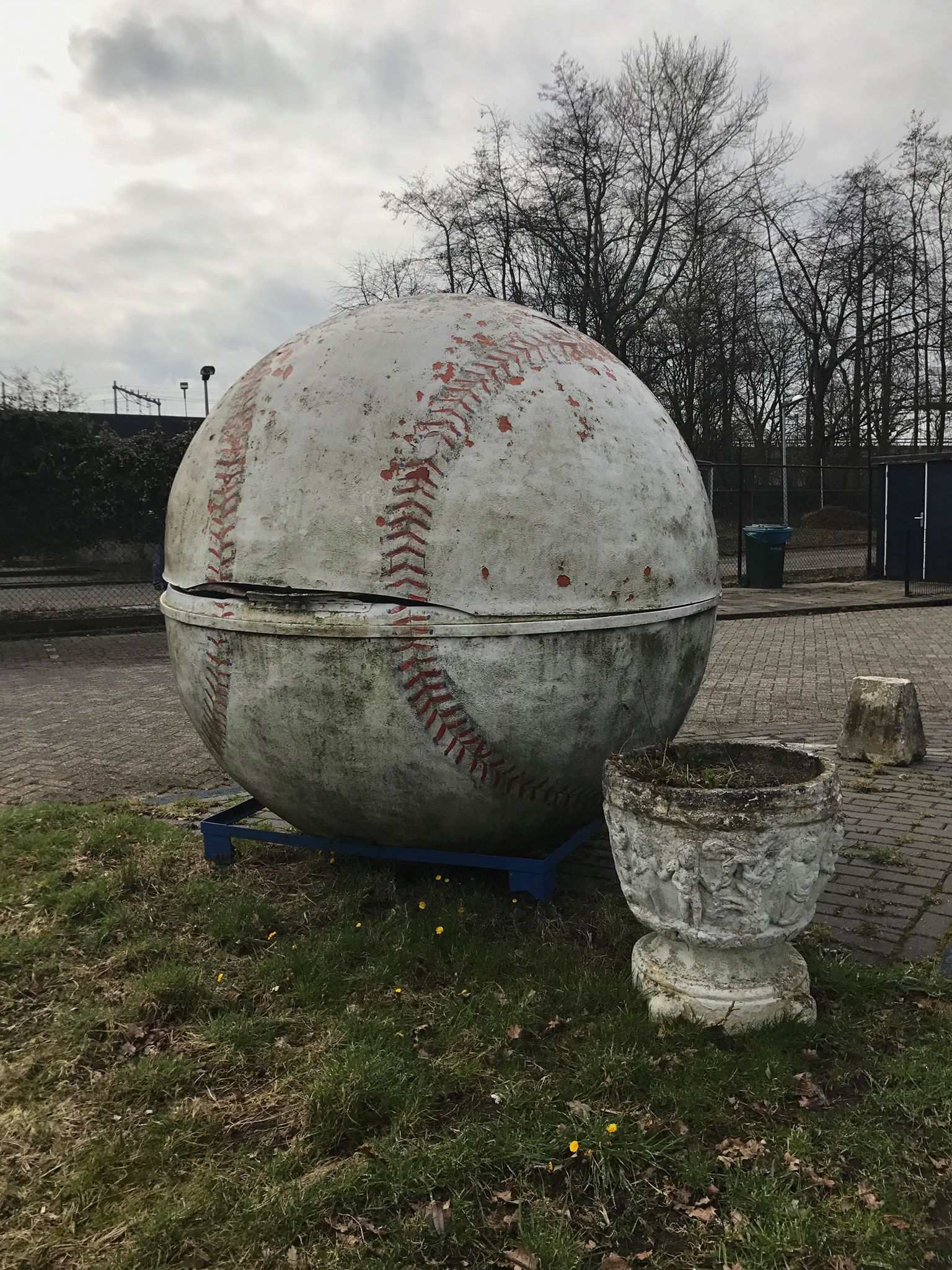
Baseball is played differently across the world.
Different fields, different rhythms, different climates, different communities — each place carries its own relationship to the game. Part of the spirit of IBAT is discovering those differences firsthand: traveling, competing, making friends, and experiencing baseball as a lived culture
rather than a spectacle viewed from afar.
IBAT is designed for lifelong students of the game as much as devoted enthusiasts — people interested not only in playing,
but in where the game can take them.
We invite players and supporters to share
future tournament ideas and destinations.
If enough interest gathers around a place, we will work to make it happen.
Baseball is played differently across the world.
Different fields, different rhythms, different climates, different communities — each place carries its own relationship to the game. Part of the spirit of IBAT is discovering those differences firsthand: traveling, competing, making friends, and experiencing baseball as a lived culture
rather than a spectacle viewed from afar.
IBAT is designed for lifelong students of the game as much as devoted enthusiasts — people interested not only in playing, but in where the game can take them.
We invite players and supporters to share
future tournament ideas and destinations.
If enough interest gathers around a place, we will work to make it happen.
Baseball is played differently across the world.
Different fields, different rhythms, different climates, different communities — each place carries its own relationship to the game. Part of the spirit of IBAT is discovering those differences firsthand: traveling, competing, making friends, and experiencing baseball as a lived culture rather than a spectacle viewed from afar.
IBAT is designed for lifelong students of the game as much as devoted enthusiasts — people interested not only in playing,
but in where the game
can take them.
We invite players and supporters to share
future tournament ideas and destinations.
If enough interest gathers around a place, we will work to make it happen.
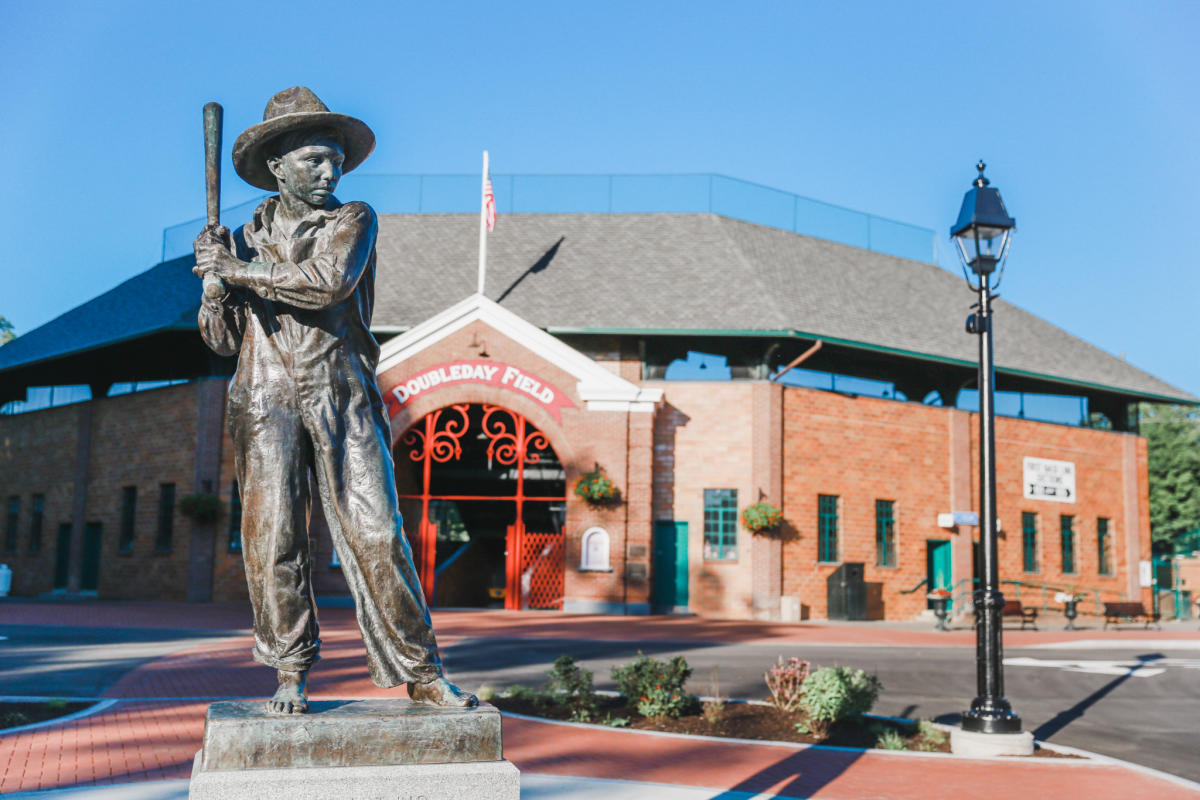
BIRTHPLACE OF BASEBALL
BIRTHPLACE OF BASEBALL
Although Cooperstown is popularly mythologized as the birthplace of baseball, the game itself emerged gradually through centuries of evolving bat-and-ball traditions shaped by local customs, gambling, industrialization, military life, urbanization, class tensions, and changing ideas around leisure and competition. Early forms of the game varied widely between rural and urban communities before rules slowly became standardized through clubs, newspapers, spectatorship, and professional organization during the 19th century.
Although Cooperstown is popularly mythologized as the birthplace of baseball, the game itself emerged gradually through centuries of evolving bat-and-ball traditions shaped by local customs, gambling, industrialization, military life, urbanization, class tensions, and changing ideas around leisure and competition. Early forms of the game varied widely between rural and urban communities before rules slowly became standardized through clubs, newspapers, spectatorship, and professional organization during the 19th century.
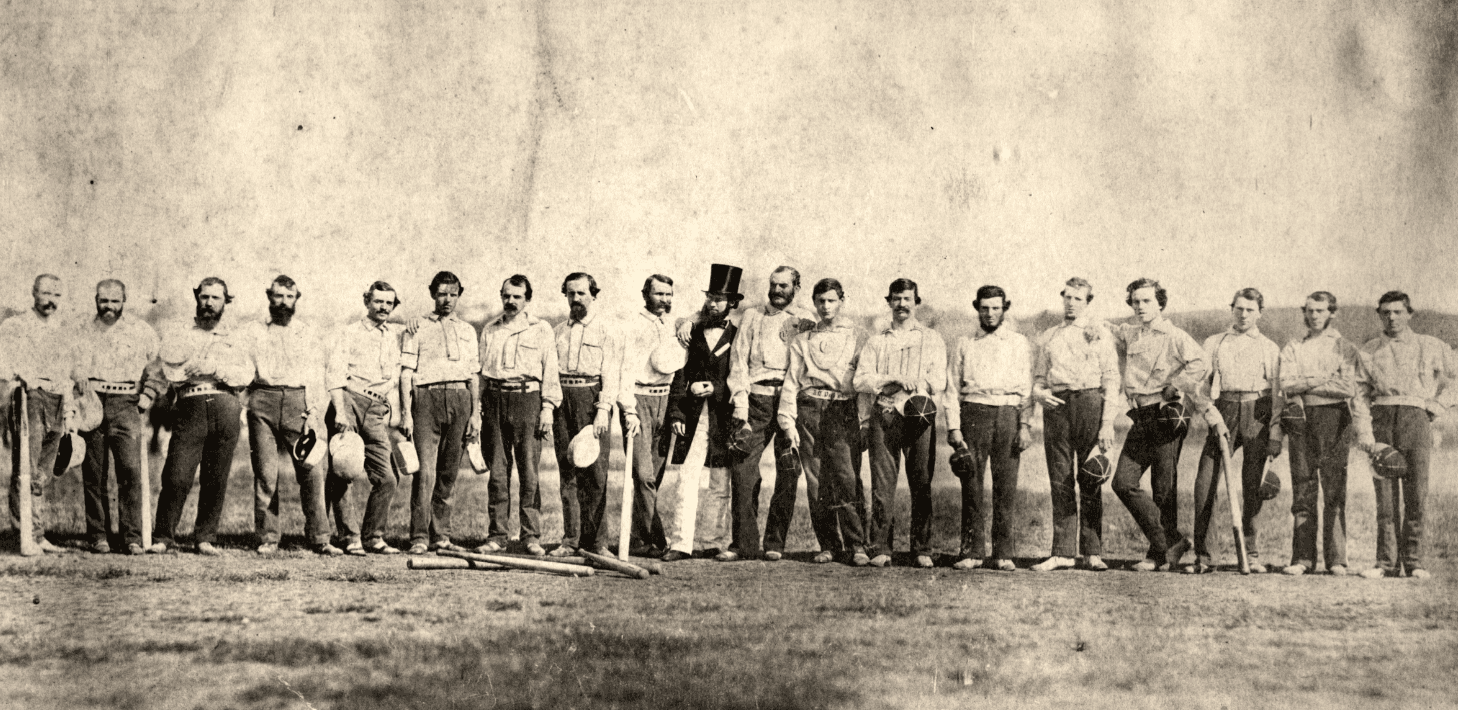
Knickerbockers vs. Excelsiors,1859
New York City played a central role in this process. By the 1840s, clubs were formalizing written rules and organizing structured competition across the city and surrounding regions, helping transform a loose collection of local games into something more recognizable as modern baseball. From there, the sport continued evolving through players, promoters, workers, gamblers, immigrants, traveling clubs, and spectators — adapting constantly alongside the society surrounding it.
New York City played a central role in this process. By the 1840s, clubs were formalizing written rules and organizing structured competition across the city and surrounding regions, helping transform a loose collection of local games into something more recognizable as modern baseball. From there, the sport continued evolving through players, promoters, workers, gamblers, immigrants, traveling clubs, and spectators — adapting constantly alongside the society surrounding it.
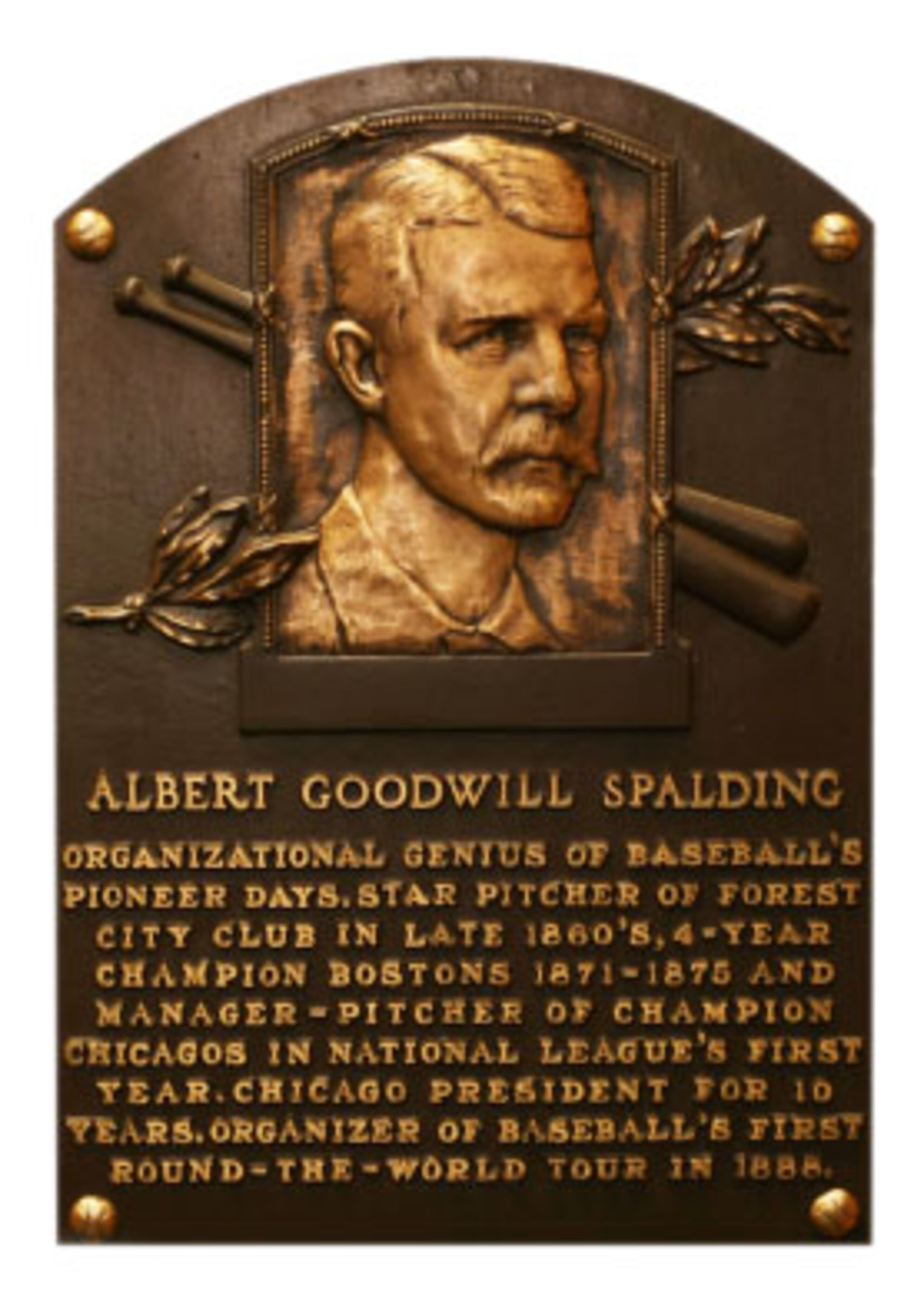
Figures such as Albert Spalding understood that baseball required not only rules and infrastructure, but also mythology — a national story capable of giving the sport symbolic meaning within American life. Despite some maybe historical exaggeration
Cooperstown became that symbolic center: a place where baseball’s evolving history, contradictions, folklore, and collective memory continue to gather.
Figures such as Albert Spalding understood that baseball required not only rules and infrastructure, but also mythology — a national story capable of giving the sport symbolic meaning within American life. Despite some maybe historical exaggeration , Cooperstown became that symbolic center:
a place where baseball’s evolving history, contradictions, folklore, and collective memory continue to gather.
Figures such as Albert Spalding understood that baseball required not only rules and infrastructure, but also mythology — a national story capable of giving the sport symbolic meaning within American life.
Despite some maybe historical exaggeration,
Cooperstown became that symbolic center:
a place where baseball’s evolving history, contradictions, folklore, and collective memory
continue to gather.
FUTURE DESTINATIONS
FUTURE DESTINATIONS
MEXICO
MEXICO
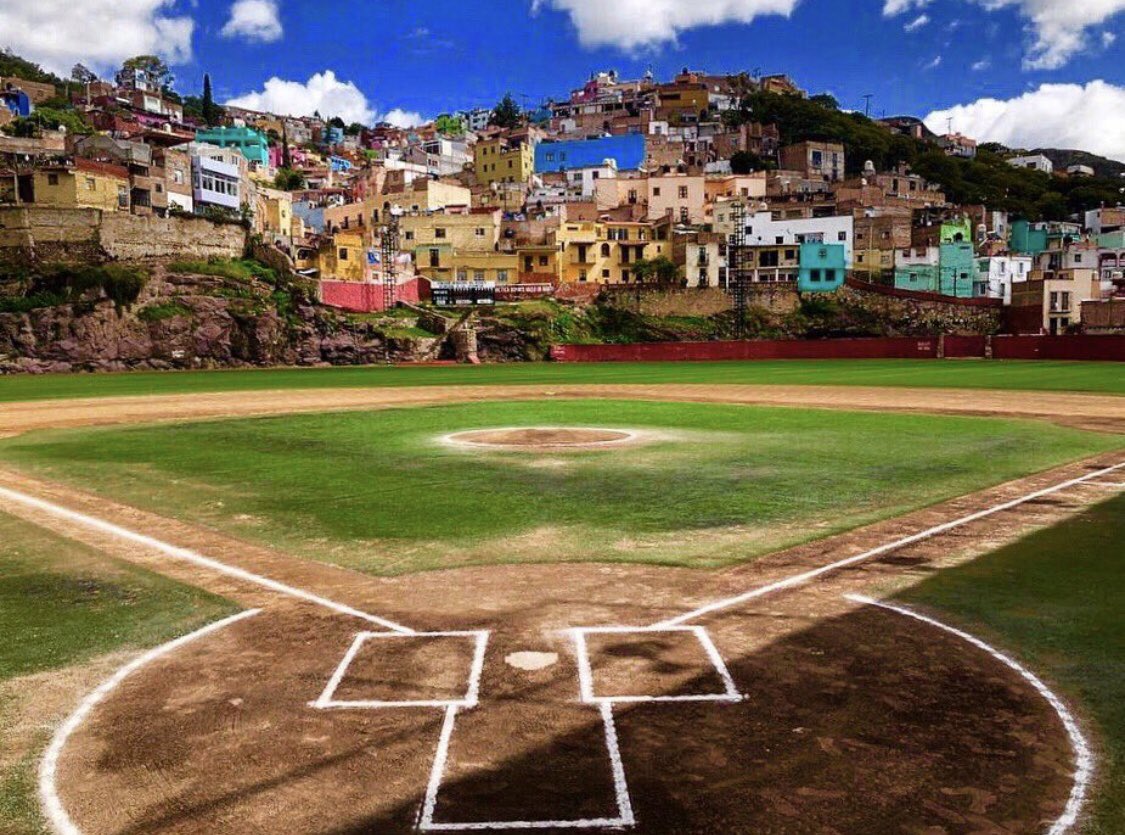
Baseball has been played in Mexico since the 19th century and remains deeply rooted across much of the country, particularly in the northern states, the Gulf Coast, and parts of the southeast. Over generations, the game developed through local clubs, industrial leagues, schools, and regional rivalries, eventually producing one of the strongest professional baseball traditions outside the United States, the Caribbean, and East Asia. Today, baseball in Mexico exists across many different scales simultaneously — from major stadiums in cities like Mexico City and Hermosillo to smaller municipal and community fields where the game continues to function as an everyday social and cultural practice.
Baseball has been played in Mexico since the 19th century and remains deeply rooted across much of the country, particularly in the northern states, the Gulf Coast, and parts of the southeast. Over generations, the game developed through local clubs, industrial leagues, schools, and regional rivalries, eventually producing one of the strongest professional baseball traditions outside the United States, the Caribbean, and East Asia. Today, baseball in Mexico exists across many different scales simultaneously — from major stadiums in cities like Mexico City and Hermosillo to smaller municipal and community fields where the game continues to function as an everyday social and cultural practice.
CUBA
CUBA
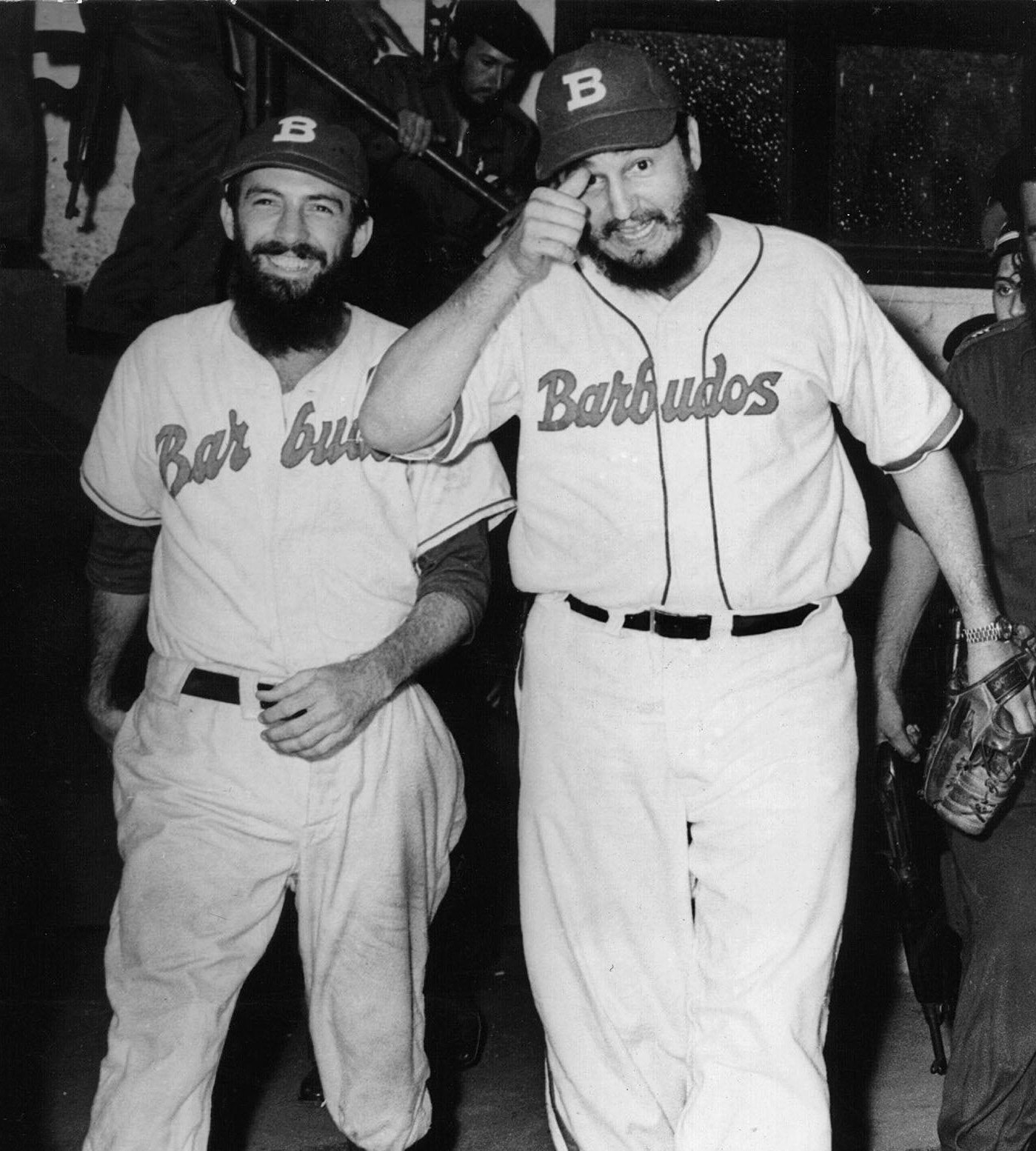
Baseball has occupied a singular place in Cuban public life since the 19th century, evolving alongside the country’s political and cultural history into a deeply shared national practice. Long before the professional era elsewhere became fully commercialized, Cuban baseball developed through local clubs, neighborhood loyues, workers’ teams, and intense regional rivalries, producing generations of players whose influence extended throughout the Caribbean and the Americas. Historic stadiums such as Havana’s Estadio Latinoamericano and the still-active Palmar de Junco in Matanzas — considered among the oldest surviving baseball grounds in the world — reflect the game’s unusual continuity on the island, where baseball has remained at once everyday recreation, political symbol, and collective ritual.
Baseball has occupied a singular place in Cuban public life since the 19th century, evolving alongside the country’s political and cultural history into a deeply shared national practice. Long before the professional era elsewhere became fully commercialized, Cuban baseball developed through local clubs, neighborhood loyues, workers’ teams, and intense regional rivalries, producing generations of players whose influence extended throughout the Caribbean and the Americas. Historic stadiums such as Havana’s Estadio Latinoamericano and the still-active Palmar de Junco in Matanzas — considered among the oldest surviving baseball grounds in the world — reflect the game’s unusual continuity on the island, where baseball has remained at once everyday recreation, political symbol, and collective ritual.
RICKWOOD
RICKWOOD
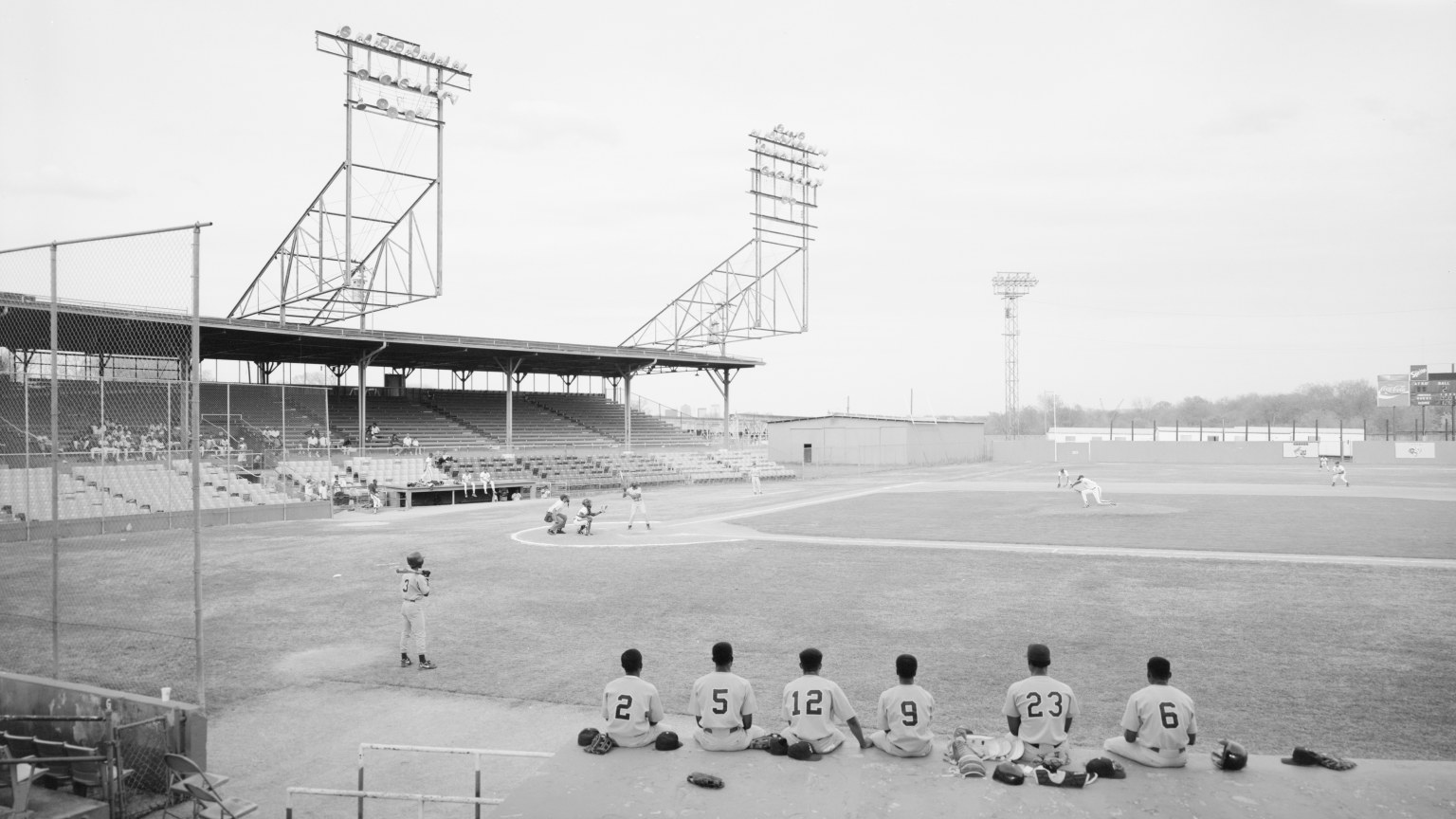
Opened in 1910 in Birmingham, Alabama, Rickwood Field is the oldest surviving professional baseball stadium in the United States and remains one of the most significant historic sites in the game. Originally home to the Birmingham Barons and later closely associated with the Negro Leagues and the Birmingham Black Barons, the field carries more than a century of baseball history across generations of professional, semi-professional, and community play. Unlike many preserved historic stadiums that exist primarily as monuments, Rickwood continues to host games and gatherings, maintaining a living connection between baseball’s past and present.
Opened in 1910 in Birmingham, Alabama, Rickwood Field is the oldest surviving professional baseball stadium in the United States and remains one of the most significant historic sites in the game. Originally home to the Birmingham Barons and later closely associated with the Negro Leagues and the Birmingham Black Barons, the field carries more than a century of baseball history across generations of professional, semi-professional, and community play. Unlike many preserved historic stadiums that exist primarily as monuments, Rickwood continues to host games and gatherings, maintaining a living connection between baseball’s past and present.
BRITTANY, FRANCE
BRITTANY, FRANCE
BRITTANY, FRANCE
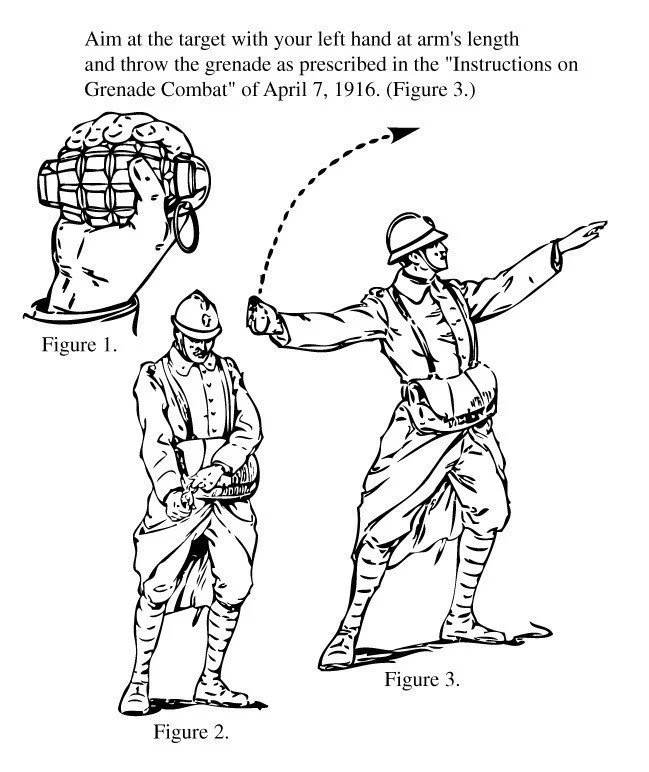
Baseball in France developed through an unusual convergence of military history, physical education, nationalism, and competing ideas around amateur and professional sport. Variations of Viking bat-and-ball games existed for centuries in parts of Normandy and Brittany before modern baseball was introduced more formally at the end of the 19th century through figures such as Albert Spalding and the growing international sports movement surrounding Pierre de Coubertin and the early Olympic era. While Spalding became internationally associated with professional baseball and the American ethos of “rags to riches,” Coubertin instead championed amateur athletics and class stability — a tension that would continue to shape the game’s uneven development in France for decades.
Baseball in France developed through an unusual convergence of military history, physical education, nationalism, and competing ideas around amateur and professional sport. Variations of Viking bat-and-ball games existed for centuries in parts of Normandy and Brittany before modern baseball was introduced more formally at the end of the 19th century through figures such as Albert Spalding and the growing international sports movement surrounding Pierre de Coubertin and the early Olympic era. While Spalding became internationally associated with professional baseball and the American ethos of “rags to riches,” Coubertin instead championed amateur athletics and class stability — a tension that would continue to shape the game’s uneven development in France for decades.
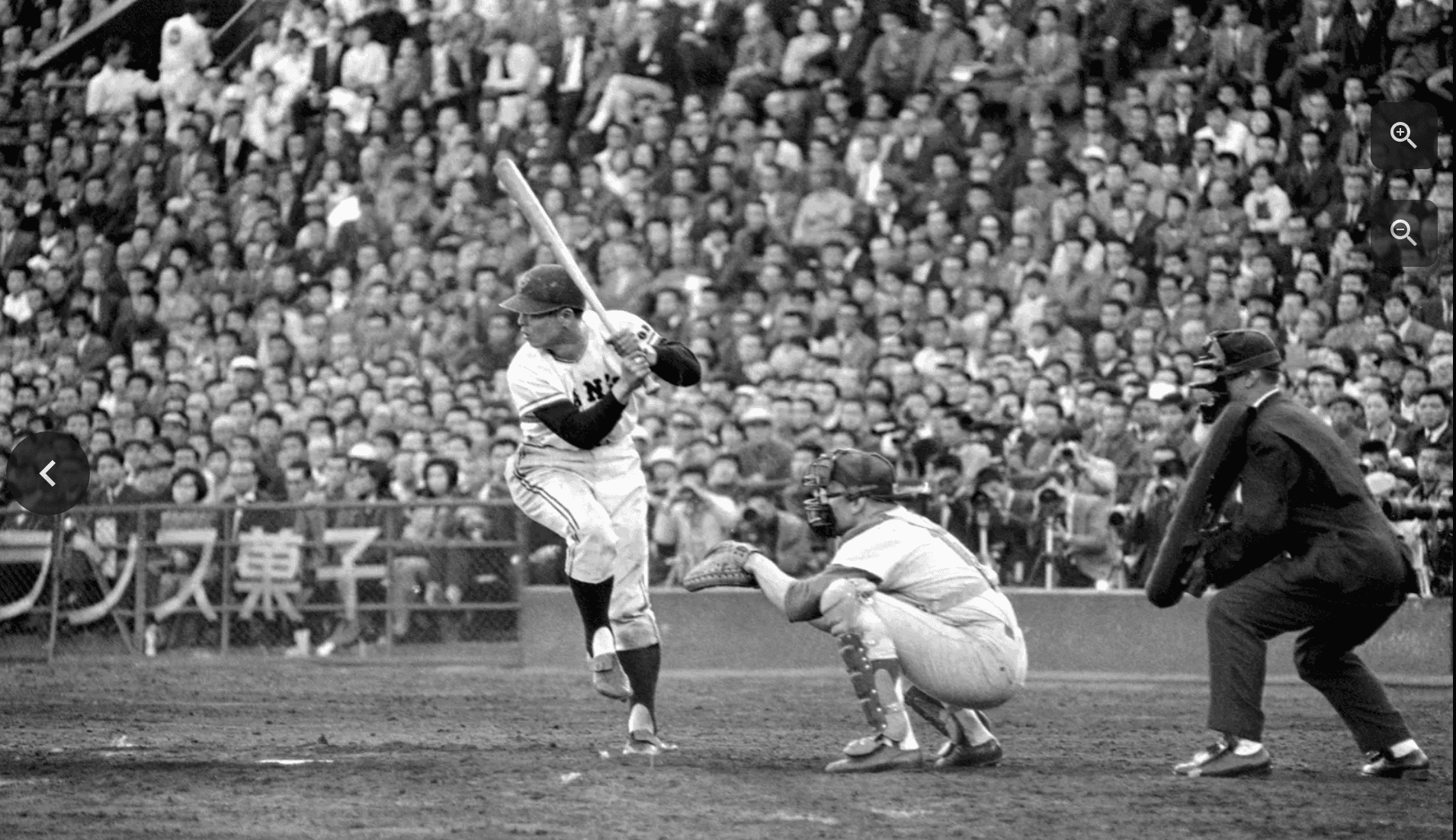
JAPAN
JAPAN
Baseball was introduced to Japan in the 19th century and quickly evolved into one of the country’s most widely practiced and culturally influential sports. While the rules of the game remained largely American, Japan developed its own distinct relationship to baseball through discipline, repetition, collective training, and the idea of Wa — harmony within the group. Over the course of the 20th century, baseball became deeply integrated into school life, public identity, and national competition, producing one of the most sophisticated baseball cultures in the world. From early international tours and exchanges during the Spalding era to the global prominence of players such as Shohei Ohtani and Japan’s repeated success in the World Baseball Classic, the sport has continued to function not simply as recreation or spectacle, but as a highly refined social and cultural practice.
Baseball was introduced to Japan in the 19th century and quickly evolved into one of the country’s most widely practiced and culturally influential sports. While the rules of the game remained largely American, Japan developed its own distinct relationship to baseball through discipline, repetition, collective training, and the idea of Wa — harmony within the group. Over the course of the 20th century, baseball became deeply integrated into school life, public identity, and national competition, producing one of the most sophisticated baseball cultures in the world. From early international tours and exchanges during the Spalding era to the global prominence of players such as Shohei Ohtani and Japan’s repeated success in the World Baseball Classic, the sport has continued to function not simply as recreation or spectacle, but as a highly refined social and cultural practice.